
Shipping from China to Australia: Sea Freight Timelines, Customs, Delivery to Site
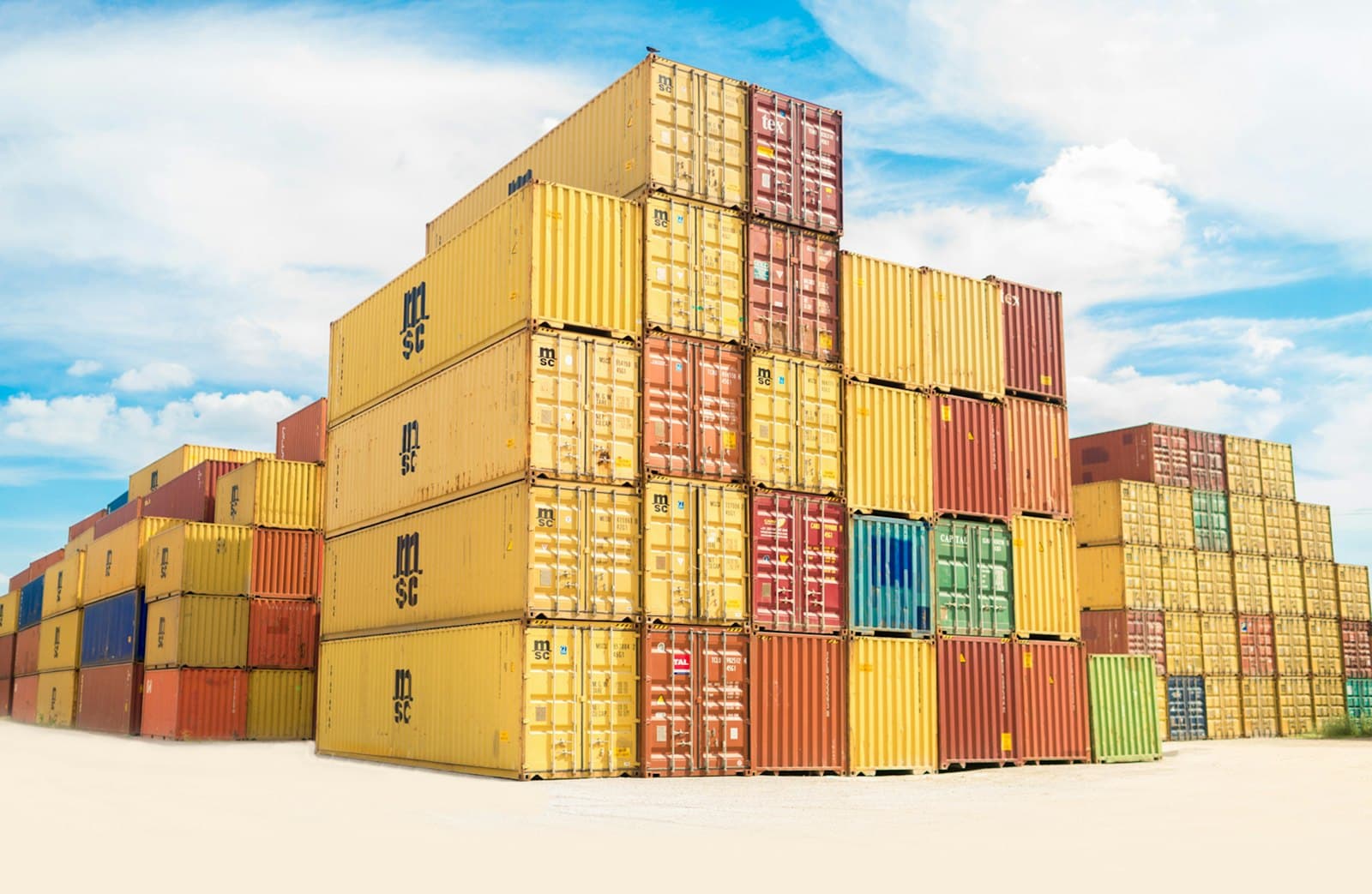
Every builder who sources direct from China asks the same question first: how long until the goods are on my site. Getting the shipping from China to Australia timeline right matters as much for builders as the unit price. A container that lands two weeks late can stall a trade sequence, push back a handover, and erode the margin you saved on the material in the first place. This guide walks through realistic sea freight timelines, container options, Australian customs clearance, delivery to site, and the delays that catch first-timers out. The numbers below are the ones we plan to every week, not best-case figures from a freight brochure.
At ChinaDirect Sourcing we have run cross-border procurement for Australian businesses for more than 20 years, with a China operations team feeding into our Brisbane HQ. The timeline is not the part that goes wrong. What goes wrong is planning a build schedule around a guess instead of a sequenced plan. Here is how to plan it properly.
Realistic sea freight timelines and the 6 to 12 week lead time
The headline number to commit to memory is six to twelve weeks, factory to site. That is the realistic shipping from China to Australia timeline for builders ordering construction materials, and it covers far more than the boat. Break it down and the ocean leg is often the smallest part.
- Production: 2 to 6 weeks depending on the product and order size. Tiles, hardware and fixtures move faster. Custom joinery, windows and doors take longer.
- Pre-shipment QA and booking: 3 to 7 days. Inspection at the factory, then booking space on a sailing.
- Ocean transit: 14 to 28 days port to port. Guangzhou or Shenzhen to Brisbane, Sydney or Melbourne typically runs around 18 to 24 days.
- Customs clearance and quarantine: 3 to 10 days once the vessel berths, longer if inspected.
- Unpack, transport and delivery to site: 2 to 7 days.
Add those up and the spread lands squarely in the six to twelve week window. The point is not to memorise a single figure. It is to treat the timeline as a chain of stages, each with its own risk, and to order early enough that the slowest stage never sits on your critical path. Our step-by-step process builds these stages into a plan before the first deposit is paid.
Container options and consolidation
Your freight cost and your timeline both turn on how you fill a box. There are two standard sea containers and one shared option.
- 20ft container: roughly 28 to 33 cubic metres of usable space. Suits a single home fit-out or one material category.
- 40ft container: roughly 58 to 67 cubic metres. The workhorse for a full house package or multiple categories shipped together. Cost per cubic metre is lower than a 20ft, so if you can fill it, you usually should.
- LCL (less than container load): you share a container and pay for the space you use. Sensible for smaller orders, but it adds handling time at both ends because the container is unpacked and sorted at a depot. Expect a few extra days versus a full container.
Consolidation is where managed sourcing earns its keep. Instead of five suppliers each shipping a part-load, we bring goods from multiple factories into one warehouse in Guangzhou or Yiwu, check them, then pack one sealed container. One bill of lading, one customs entry, one delivery. As a sense of scale, two 40ft containers we shipped for a builder held around $200K in goods that carried roughly $350K in Australian trade value, with over $150K saved against local pricing. Consolidation is a core part of what we set up on the China Buying Trip, where builders meet the factories and we structure the freight on the spot.
Customs clearance and duties in Australia
Once the vessel berths, the goods are under the control of the Australian Border Force and, where relevant, the Department of Agriculture for biosecurity. Clearance is usually quick when the paperwork is clean and slow when it is not.
- Customs entry: lodged by your customs broker using the commercial invoice, packing list and bill of lading. Tariff classification drives the duty rate.
- Duty and GST: many building materials attract a 5% import duty, and GST of 10% applies on the landed value. Some goods are duty-free under the China-Australia Free Trade Agreement (ChAFTA) when a valid Certificate of Origin is supplied. Confirm classification before you ship, not after.
- Biosecurity: timber, packaging and anything with soil or pest risk can be flagged for inspection or treatment. Plan for it on timber-heavy orders.
- Inspection holds: random or targeted. An inspected container can sit several extra days at the wharf.
Two things keep clearance fast: accurate documentation prepared before the goods leave China, and correct tariff classification confirmed in advance. Getting the Certificate of Origin right under ChAFTA can remove the 5% duty entirely on eligible goods, which is real money on a full container. For a fuller view of bringing materials in, see our guide on importing building materials from China to Australia.
Delivery to site and sequencing with your build
The last leg looks simple and trips up more builders than the ocean does. After clearance the container is trucked from the port. You then choose how it is unpacked.
- Direct to site: the container is delivered and unpacked on site. Fast, but it needs access, a place to put the box, and the trades ready to receive and store the goods.
- Unpack at a depot, then deliver palletised: the container is stripped at a warehouse and the goods come to site on pallets or by smaller truck. Better for tight sites and staged deliveries.
- Hold and stage: goods are warehoused locally and released to site in line with your program, so you are not storing a full house package in the weather.
Sequencing is the discipline that protects your margin. Order the timeline backwards from the trade that needs the material. If tiling starts in week 16, the tiles need to clear customs by week 14, which means they sail by week 11, which means production starts by week 8. Hold that logic across every category and the savings you booked at the factory survive all the way to handover. A builder on the Gold Coast did exactly this on a four-bedroom home in April 2024: around $130K sourced direct, more than $100K saved, with deliveries timed to the build program rather than to the boat.
Common delays and how to plan around them
Most delays are predictable, which means most are avoidable. These are the ones we plan around as a matter of course.
- Chinese public holidays: Chinese New Year (late January or February) and Golden Week (early October) shut factories for one to two weeks and create a booking crush before and after. Order well ahead of both.
- Peak season congestion: the run-up to Christmas tightens vessel space and lifts rates. Book sailings earlier in peak.
- Quality failures at QA: a batch that fails pre-shipment inspection means rework, which means a missed sailing. This is exactly why we inspect before goods are loaded, not after they land.
- Documentation errors: a wrong HS code or a missing Certificate of Origin stalls clearance. Fix paperwork before the container leaves China.
- Biosecurity and customs inspection holds: build a buffer into timber-heavy and high-volume orders.
- Port and weather disruption: cyclone season and industrial action at Australian ports can add days. Not controllable, but a buffer absorbs it.
The single most effective control is a buffer. Order to a six to twelve week window but plan your site program against the longer end. If goods land early, they wait in the warehouse. If a stage slips, the buffer absorbs it and your trades keep moving. Before you commit to any Incoterm or sailing, read our Incoterms guide for builders so you know exactly where your risk and cost sit along the route.
How managed logistics keeps a schedule on track
A builder running a job site should not be chasing a freight forwarder in a different timezone. Managed logistics means one party owns the chain from factory floor to your site, and you see where everything is at any time. That is the difference between a timeline you hope holds and one you can plan trades around.
Our supply-chain platform, Frethan My Supply Chain, gives builders live visibility of production status, QA results, container loading, sailing dates and clearance progress in one place. Frethan Technology won the HKABA 2024 National Business Award for Import/Export. Paired with our teams in Guangzhou and Yiwu handling consolidation, QA and documentation, it turns the six to twelve week timeline from a guess into a managed program. We have served more than 1,000 Australian businesses and saved over $5M in procurement costs working exactly this way.
If you are planning a build and want a realistic timeline mapped against your program before you commit, the next step is simple. Book a strategy call and we will walk through your categories, your dates and the freight options that fit, or apply for an upcoming China Buying Trip to meet the factories and set the logistics up in person. Call us on 1300 168 869 or email info@chinadirectsourcing.com.au to start.
Frequently asked questions
How long does shipping from China to Australia actually take for building materials?
Plan for six to twelve weeks factory to site. That covers production (2 to 6 weeks), pre-shipment QA and booking (3 to 7 days), ocean transit (around 18 to 24 days port to port), Australian customs and quarantine clearance (3 to 10 days), and final delivery to site (2 to 7 days). The ocean leg is usually the smallest part, so order to the longer end of the window and build in a buffer.
Should I ship a 20ft container, a 40ft container, or LCL?
A 20ft holds roughly 28 to 33 cubic metres and suits a single fit-out or one material category. A 40ft holds roughly 58 to 67 cubic metres and has a lower cost per cubic metre, so it is the better choice for a full house package if you can fill it. LCL (sharing a container) suits smaller orders but adds a few days of handling at both ends. Consolidating multiple suppliers into one full container is usually the most cost and time effective.
What duties and taxes apply when importing building materials from China?
Many building materials attract a 5% import duty plus 10% GST on the landed value. Under the China-Australia Free Trade Agreement (ChAFTA), eligible goods can be duty-free when a valid Certificate of Origin is supplied. Correct tariff classification confirmed before you ship is what keeps clearance fast and your duty bill correct.
How do I stop a late container from blowing out my build schedule?
Sequence backwards from the trade that needs the material and plan against the longer end of the timeline. If tiling starts in week 16, tiles should clear customs by week 14, sail by week 11 and start production by week 8. Hold that logic across every category, add a buffer for holidays and inspections, and warehouse early arrivals rather than rushing them to site.
What are the most common causes of shipping delays from China?
Chinese New Year and Golden Week factory shutdowns, peak-season vessel congestion before Christmas, quality failures at pre-shipment QA, documentation errors such as a wrong HS code or missing Certificate of Origin, biosecurity and customs inspection holds, and port or weather disruption. Most are predictable, which is why ordering early and building a buffer removes the majority of risk.
Can I track where my goods are during shipping?
Yes. With managed logistics, one party owns the chain from factory to site. Our Frethan My Supply Chain platform gives live visibility of production status, QA results, container loading, sailing dates and clearance progress in one place, so you can plan your trades around the real position rather than chasing a freight forwarder for updates.

Lindy Chen
Founder & Managing Director, ChinaDirect Sourcing
Lindy Chen has 20+ years of cross-border sourcing experience and has guided 1,000+ Australian businesses through the China procurement process. She is the author of "Import from China: How to Make a Million and Not Get Burnt" and a QLD Government-appointed business mentor.
Related articles
Incoterms Explained for Builders: FOB vs CIF vs DAP and Which Protects You
9 min readSourcing StrategyHow to Import Building Materials from China to Australia: A Builder's 2026 Guide
11 min readSourcing StrategyIs China Sourcing Actually Worth It for Australian Builders? The Real Numbers
9 min readReady to Apply These Insights?
Book a no-obligation strategy call with Lindy Chen. 30 minutes, no sales pitch, just a clear picture of whether direct sourcing fits your next project.
Book a Strategy Call