
How to Vet a Chinese Supplier the Right Way: Export History, Certs, References, Capacity
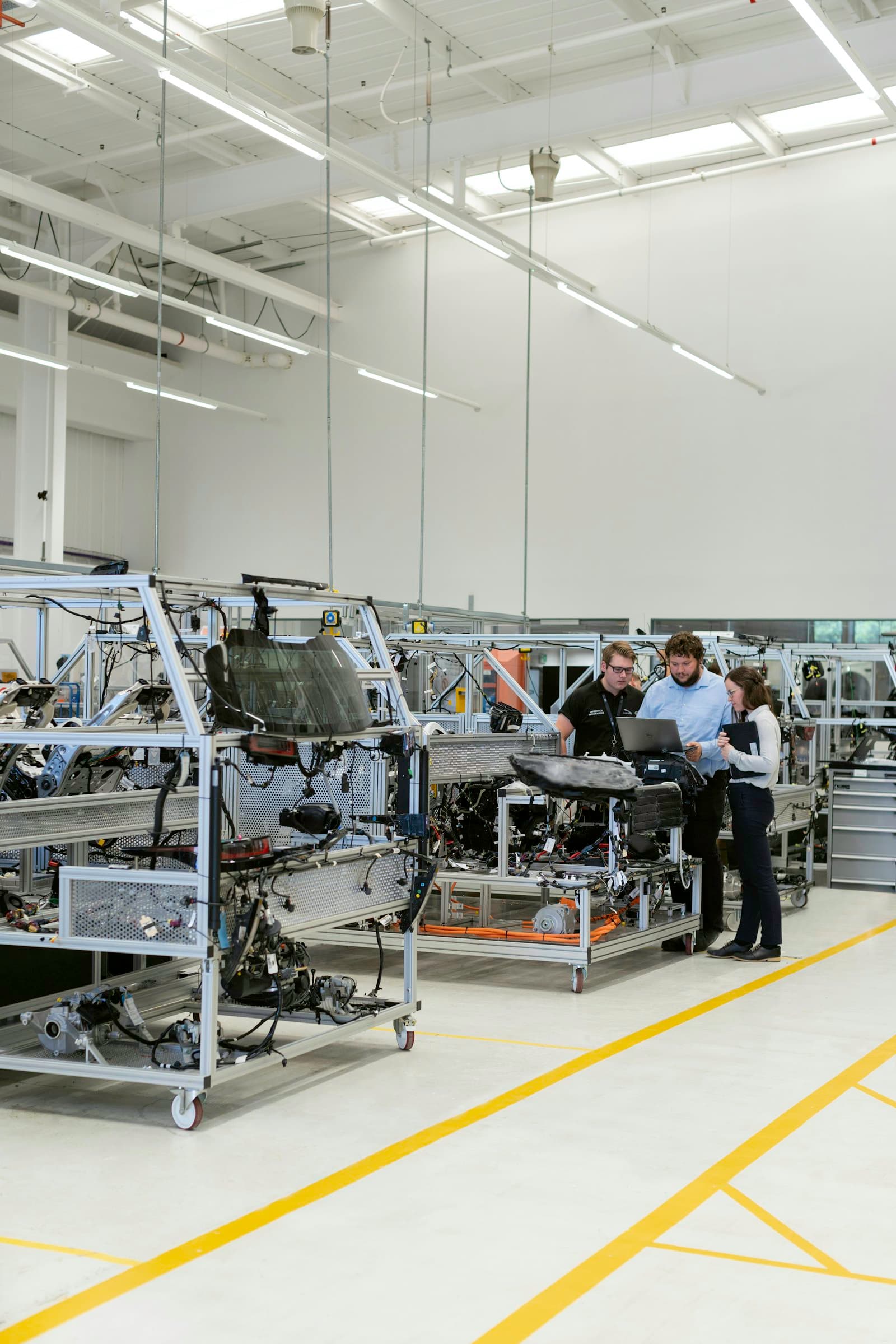
Learning how to vet a Chinese supplier is the single skill that separates builders who save 30 to 50 percent on materials from those who lose a deposit to a factory that never existed. In 20+ years sourcing direct from manufacturers in China, I have seen Australian builders and developers send money to a slick-looking Alibaba storefront, only to discover it was a trading company reselling someone else's catalogue, or a workshop with no export licence and no capacity to fill a single 40ft container. Vetting is not paperwork. It is the part of the job that protects your margin, your build programme, and your reputation with the certifier. Done properly, it tells you whether a supplier can actually deliver compliant product to your site in 6 to 12 weeks, or whether you are about to fund an expensive lesson.
Why most DIY sourcing fails at vetting
Most first-time sourcing efforts fail before a single sample ships, and they fail at the same point: the buyer confuses a good website with a good supplier. A polished listing, a gold-supplier badge, and a responsive sales rep tell you nothing about whether the company owns a factory, holds an export licence, or has ever shipped to Australia. Many of the best-looking storefronts are trading companies. They add a margin, they control your line of communication to the actual maker, and when a quality problem appears mid-production they have no power to fix it on the floor.
The second failure is asking the wrong questions. Buyers ask price first and capability last. A price quoted without a verified factory behind it is a number, not a commitment. The third failure is language and distance. You are negotiating across a time zone, a language barrier, and a legal system you do not operate in. When something goes wrong, and on an unvetted supplier it usually does, you have no realistic recourse. This is exactly the gap our managed product sourcing service exists to close, because the cost of getting vetting wrong dwarfs any fee.
Checking export history and trading records
Start with whether the company is a manufacturer or a trader, then whether it has ever legally exported. A genuine factory will have a business licence showing a manufacturing scope, an export licence or a documented relationship with a licensed export agent, and a customs record of shipments leaving China. Ask directly for the business licence (you want the Unified Social Credit Code), then verify it rather than taking the PDF at face value.
- Business licence and registered capital. Cross-check the company name, the Unified Social Credit Code, registered capital, and the registered business scope. A workshop registered for trading cannot legitimately claim to be the factory.
- Export and customs history. Ask which countries they ship to and request bills of lading or shipment records. A supplier that has exported to Australia before already understands RCM expectations, container loading, and our customs paperwork. One that has never left the domestic market will learn on your order.
- Bank account in the company name. Payment should go to the registered company, never to a personal account or a third party in another country. A request to pay an individual or an offshore account is one of the clearest signals to walk away.
- Years trading and customer references. Longevity matters, but only paired with references you can actually contact.
None of this requires you to be in China. It does require you to know which documents to demand and how to read them, which is the core of the supplier intelligence built into the Frethan My Supply Chain platform that sits behind our sourcing work.
Certifications, references, and capacity checks
For Australian construction, certification is where most overseas-sourced product comes undone. An ISO 9001 certificate and a supplier self-declaration are not enough to satisfy a certifier, and treating them as proof of compliance is how a shipment ends up stuck on site. What your certifier actually wants is independent, accredited evidence.
- Product-specific compliance. For windows and doors, AS 2047 test evidence. For floor surfaces, AS 4586 slip-resistance results. For anything carrying a CodeMark, JAS-ANZ accredited certification, not a logo pasted into a brochure.
- Accredited test reports. Reports should come from an ILAC-accredited laboratory (the NATA-equivalent overseas) so they are recognised here. A test certificate from an unaccredited lab carries no weight with a building certifier.
- RCM marking and the right paperwork. Confirm the supplier understands RCM obligations. And know the line a supplier can never cross: a Form 15 is issued by an RPEQ engineer, never by the manufacturer. Any supplier offering to provide a Form 15 does not understand the Australian system.
References must be real and recent. Ask for two or three customers in markets like Australia, the UK, or the US, then contact them and ask specifically about defect rates, on-time delivery, and how the supplier handled a problem. Capacity is the last piece. Confirm monthly output, current lead times, and how many of your SKUs they make in-house versus subcontract. A factory that quotes a 6 to 12 week lead time and can show you the production line behind it is a different proposition to one that promises everything and outsources quietly. For a fuller picture of what happens once production starts, read our guide to quality control when sourcing from China.
Red flags that should stop a deal
Some signals are not amber. They are a full stop. If you see any of these, do not send a deposit, regardless of how good the price looks.
- Payment to a personal or third-party account. Legitimate factories invoice and receive payment under the registered company name.
- A price far below every other quote. A number 40 percent under the field is usually substituted materials, a thinner gauge, or a deposit you will never see again. Real savings of 20 to 40 percent on materials are normal. A price that looks too good is a warning, not a win.
- No verifiable factory address or refusal of inspection. A supplier who will not allow a factory audit, in person or by a third party, is hiding the floor for a reason.
- Certificates that cannot be traced to an accredited body. Unverifiable or recycled certificates point to product that will fail at the certifier.
- Vague answers on capacity and lead time. A maker who knows their floor answers output and timing precisely. Evasion means they are quoting work they cannot do.
Compliance shortcuts deserve their own warning. A supplier who waves away Australian standards, or offers documents that are not your job to issue, is telling you they will not stand behind the product here. We cover the full Australian compliance picture in our guide to sourcing compliance for Australian builders.
The case for a 30,000+ vetted supplier database
Vetting one supplier properly takes weeks: document verification, a factory audit, reference calls, sample testing, and a capacity review. Doing it for every category on a build, windows, cabinetry, tiles, lighting, joinery, is not realistic for a builder running live projects. This is why a pre-vetted network changes the equation. Over 20+ years we have built a database of 30,000+ vetted suppliers, with operations on the ground in Guangzhou and Yiwu and our HQ in Brisbane, and we have served 1,000+ Australian businesses and helped save $5M+ in procurement costs along the way.
The value is not just the list. It is that the hard vetting is already done, the relationships already exist, and our people are in the same time zone as the factory floor. When a Gold Coast builder sourced a 4-bedroom home through us in April 2024, roughly $130,000 in goods landed and they saved $100,000 or more, because the suppliers behind that order were already proven. You can read more about how we operate on our about page and the awards and track record behind it.
Vetting yourself vs using a managed partner
You can vet suppliers yourself. Many builders do, and on a single repeat product from a known maker it can make sense. The honest trade-off is time and risk. Self-vetting means you carry the document checks, the audits, the reference calls, the sample testing, and the consequences if you miss something. On a multi-category build, the hours add up fast, and one bad supplier can cost more than the savings on all the others combined.
A managed partner removes that exposure. We handle verification, QA, compliance documentation, consolidation, and Australian customs clearance, so what arrives on site is product you can actually use. The savings are real and consistent: 30 to 50 percent against Australian pricing, with two 40ft containers on a recent project carrying roughly $200,000 in goods against $350,000 or more in Australian trade value. Our full process is set out on the how it works page if you want to see each step before committing to anything.
If you are weighing a project right now, the fastest way to know whether direct sourcing stacks up for you is a short conversation about your categories, volumes, and timeline. Book a strategy call through our contact page or call 1300 168 869, and we will tell you honestly whether the numbers work before you spend a dollar. Vetting done right is what turns a cheaper price into a delivered margin, and it is the part we have spent two decades getting right so you do not have to.
Frequently asked questions
Is an ISO 9001 certificate enough to prove a Chinese supplier is compliant for an Australian build?
No. ISO 9001 is a quality-management certificate, not product compliance, and a building certifier will not accept it as evidence on its own. For Australian construction you need product-specific, accredited proof, for example AS 2047 test evidence for windows and doors, AS 4586 results for slip resistance, and JAS-ANZ accredited certification for any CodeMark claim. Test reports should come from an ILAC-accredited lab so they are recognised here. Supplier self-declarations alone are not sufficient.
How do I tell a real factory from a trading company?
Ask for the business licence and check the registered business scope and Unified Social Credit Code. A manufacturing scope, a verifiable factory address, an export or customs history, and a willingness to allow a factory audit point to a genuine maker. A polished storefront, payment requests to a personal account, and vague answers on capacity usually point to a trader reselling someone else's product.
Can a supplier provide a Form 15 for my project?
No, and any supplier offering to is a warning sign. A Form 15 is issued by an RPEQ engineer, not by a manufacturer. A supplier who claims they can supply one does not understand the Australian system, which raises questions about the rest of their compliance documentation.
What is the single biggest red flag when vetting a Chinese supplier?
A request to pay a personal account, a third party, or an offshore account instead of the registered company. Legitimate factories invoice and receive payment under their registered company name. Close behind it is a price far below every other quote, which usually means substituted materials, a thinner gauge, or a deposit you will not see again.
How much can I realistically save sourcing direct, and is it worth the vetting effort?
Typical savings run 30 to 50 percent against Australian pricing, and 20 to 40 percent on materials depending on the category. On a real project, a Gold Coast builder sourced roughly $130,000 in goods for a 4-bedroom home and saved $100,000 or more in April 2024. The savings are real, but they depend entirely on vetting being done properly, which is why many builders use a managed partner rather than carrying the risk alone.
Should I vet suppliers myself or use a managed sourcing partner?
Self-vetting can make sense for a single repeat product from a maker you already know. For a multi-category build it rarely does, because vetting one supplier properly takes weeks of document checks, audits, reference calls and sample testing, and one bad supplier can wipe out the savings on all the others. A managed partner draws on an already-vetted network and handles QA, compliance and customs, so the time and risk move off your desk.

Lindy Chen
Founder & Managing Director, ChinaDirect Sourcing
Lindy Chen has 20+ years of cross-border sourcing experience and has guided 1,000+ Australian businesses through the China procurement process. She is the author of "Import from China: How to Make a Million and Not Get Burnt" and a QLD Government-appointed business mentor.
Related articles
Pre-Shipment Inspections: The One Step That Separates Good Sourcing from Expensive Mistakes
9 min readComplianceAustralian Compliance for China-Sourced Building Materials: RCM, AS 2047, AS 4586, Form 15
11 min readSourcing StrategyHow to Import Building Materials from China to Australia: A Builder's 2026 Guide
11 min readReady to Apply These Insights?
Book a no-obligation strategy call with Lindy Chen. 30 minutes, no sales pitch, just a clear picture of whether direct sourcing fits your next project.
Book a Strategy Call